

Stoian Batchvarov: “Every Federation Deserves a Meaningful Place in International Ice Hockey”
Stoian Batchvarov: “Every Federation Deserves a Meaningful Place in International Ice Hockey”The Bulgarian candidate for the IIHF Council discusses development funding, championship access, better event organization, digital visibility and transparent governance ahead of the IIHF elections.
Mr. Batchvarov, you are standing for election to the IIHF Council. Why have you decided to become a candidate at this particular moment?
Ice hockey has shaped my entire life. I have experienced the sport as a player, coach and federation executive, and I have worked directly with both established and developing hockey nations. This has given me a clear understanding of the opportunities within international ice hockey, but also of the difficulties faced by smaller federations.
I am not running for president. I am seeking a seat on the IIHF Council because I believe I can contribute practical experience, constructive ideas and a development-focused perspective to its collective work. The future president and Council will need to work as one team. I want to be part of that team and help turn good ideas into policies that benefit the entire international hockey family.
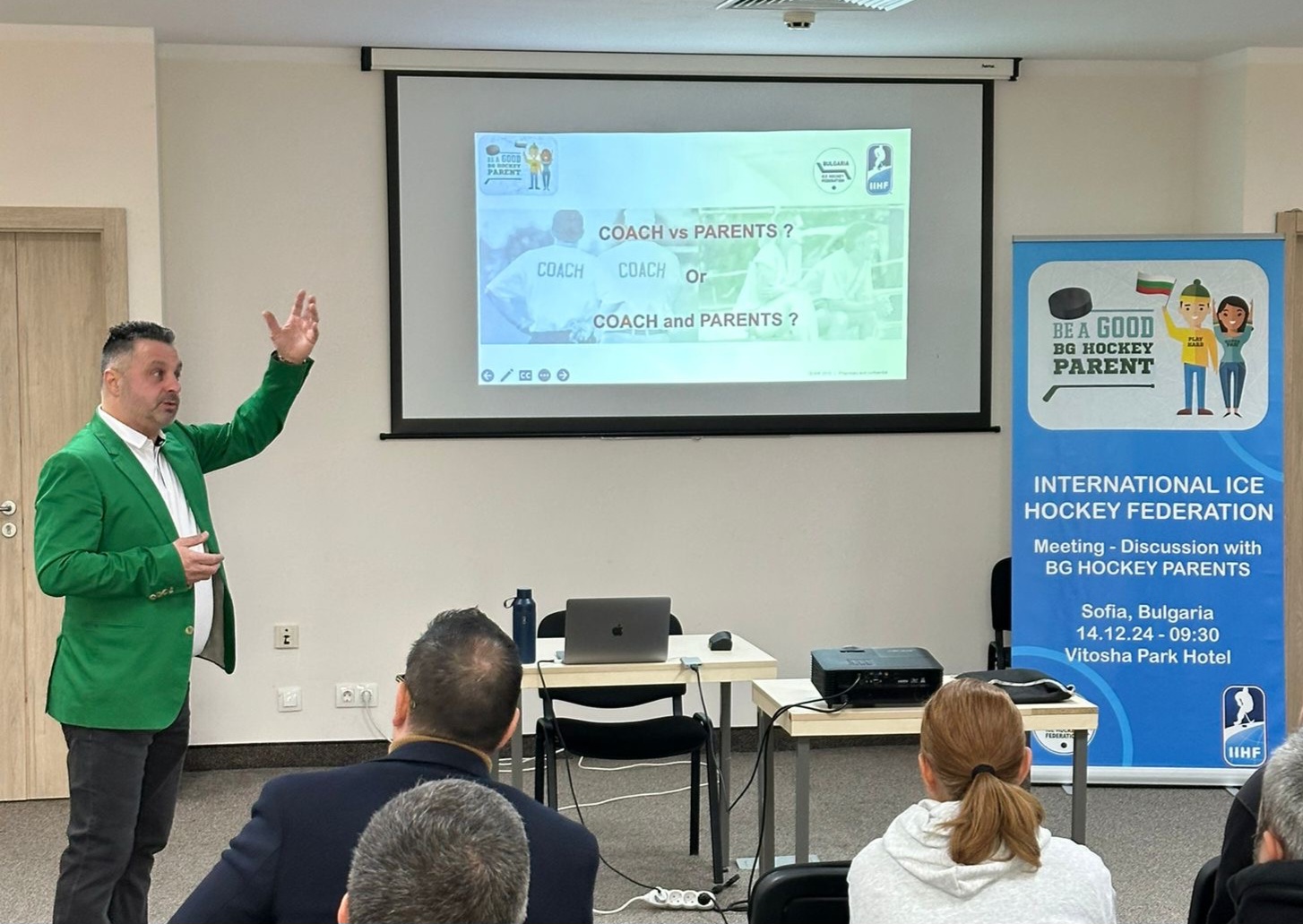
Your manifesto describes you as a “hockey lifer.” How has your personal journey influenced your priorities?
My connection with hockey goes back three generations. My father, Ilia, and my uncle, Martin, represented Bulgaria at seven IIHF World Championships and at the 1976 Winter Olympics. I later played in 20 IIHF World Championships and became Bulgaria’s all-time leading international scorer.
However, my perspective is not based only on playing experience. I founded Turkey’s first women’s ice hockey team, coached national teams and, as Executive Director of the Bulgarian Ice Hockey Federation, helped organize 15 IIHF World Championships. Since 2016, I have also served on the IIHF Development Committee.
These experiences taught me that decisions taken internationally have very real consequences for athletes, coaches, organizers and smaller national associations. That practical reality would guide my work on the Council.
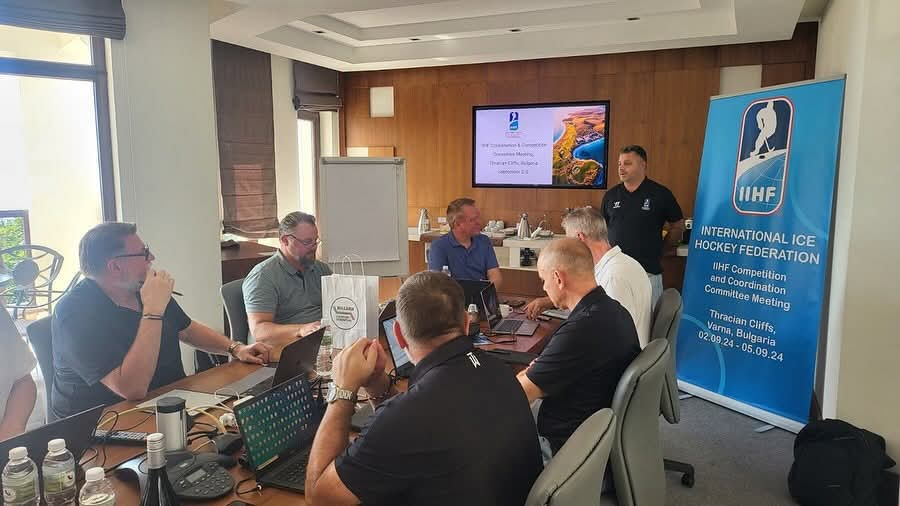
You propose a 25% increase in development funding. How should additional resources be used?
Additional funding must produce measurable and sustainable results. It should support projects that increase participation, improve coaching standards, strengthen women’s and youth hockey and help federations build the administrative capacity required for long-term growth.
I would also support expanding programs such as “Hockey Gives Back,” introducing innovation grants and making IIHF educational materials available digitally in at least ten languages. Knowledge should not be limited by geography or language.
At the same time, increased funding must be accompanied by clear objectives and transparent evaluation. The question should not only be how much money is distributed, but what lasting impact it creates. Development support should help federations become stronger, more capable and less dependent over time.
Having helped organize 15 IIHF World Championships, what changes would you propose in the organization of events?
Hosting a World Championship is an honour, but it can also expose a national federation to significant financial and organizational risk. The IIHF should provide clearer mandatory bidding criteria, stronger operational guidance and more structured support throughout the preparation process.
My manifesto proposes continuity funding, 24-month financial guarantees, dedicated host-support systems and the advance approval of contingency hosts. These measures would protect athletes, participating teams and the IIHF if unforeseen problems arise.
The objective is not to make hosting more bureaucratic. It is to make the process more predictable and professional. A federation should know its obligations, risks and available support before accepting an event. Better preparation produces better championships and protects both the host federation and the reputation of international ice hockey.
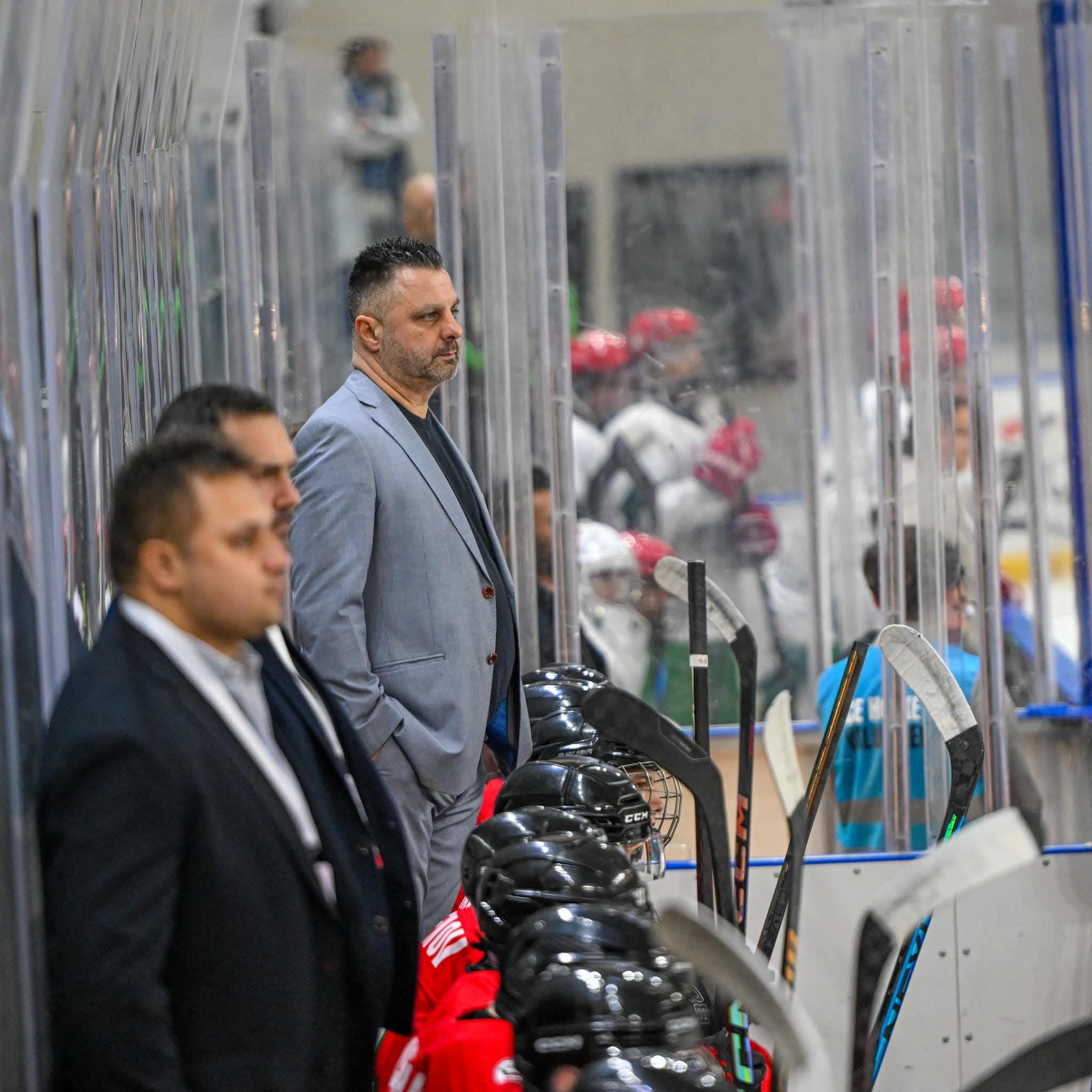
Your platform places considerable emphasis on digitalization and media visibility. What needs to change?
There is a significant visibility gap between the top level of international hockey and the lower divisions. Excellent stories, talented athletes and important national-team moments often remain almost invisible outside the countries involved.
The IIHF should expand its centralized streaming infrastructure and make it easier for every federation to produce and distribute professional content. A coordinated social-media strategy in 12 languages could bring international hockey closer to new audiences, while business-intelligence tools could help federations understand viewing patterns and commercial opportunities.
Digitalization is not simply a communications project. It is a development tool. Greater visibility can attract young players, sponsors, public support and media interest. Division II and Division III hockey should be treated as part of the IIHF’s global product, not as an afterthought.
How do you see the future relationship between the IIHF and the NHL?
The relationship should extend beyond Olympic participation. The NHL and IIHF represent different but complementary parts of the same global game. There are opportunities to cooperate in player promotion, streaming technology, international marketing and the development of women’s hockey.
Leading players can serve as global ambassadors and inspire children in countries where hockey is still growing. Shared technology and expertise could also help improve the presentation and accessibility of international competitions.
Any partnership must respect the responsibilities and interests of national federations, clubs and players. However, closer cooperation can create value for everyone. The goal should be a stable, long-term relationship that supports best-on-best competition while also contributing to the worldwide development of the sport
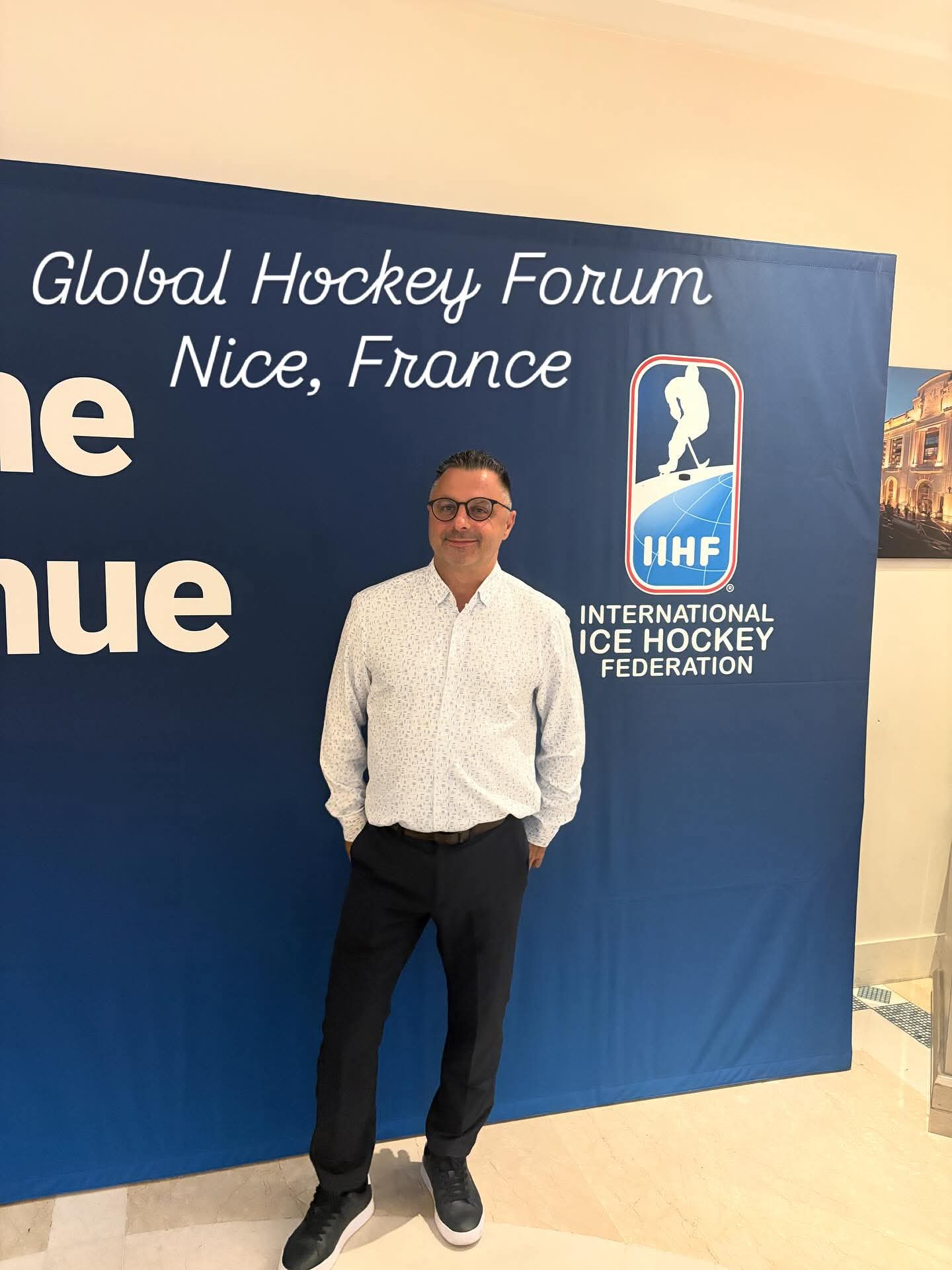
If elected, how would you define a successful term on the IIHF Council?
Success would mean that every member federation feels represented, listened to and able to participate meaningfully in international hockey. It would mean maintaining competitive access, improving development support, organizing safer and more predictable championships and giving lower divisions much greater visibility.
I would also like to see stronger cooperation between the IIHF, professional leagues and national associations, together with higher standards of transparency and accountability.
A Council member cannot achieve these objectives alone. The role requires listening, building consensus and working constructively with the president, fellow Council members, committees and federations. My commitment is to bring practical experience, preparation and an independent voice to that process. Ice hockey has been part of every day of my life, and I am ready to give that experience back to the international game.

Stoian Batchvarov is Executive Director of the Bulgarian Ice Hockey Federation and a member of the IIHF Development Committee. He represented Bulgaria at 20 IIHF World Championships and is the national team’s all-time leading international scorer. He is standing for election to the IIHF Council for the 2026–2030 term.
Autor Trichko Zaraliev


